A broiler is far more than a digestive tract. Growth, feed conversion, movement, immunity, breathing, temperature control and overall flock performance all depend on multiple body systems working together. This page provides a broader anatomical reference so that what is seen on farm or during a post-mortem can be linked back to function, structure and practical relevance.
This page is designed to help users understand where the major organs and systems are, what they do, how they support production, and why each one matters in broiler management.
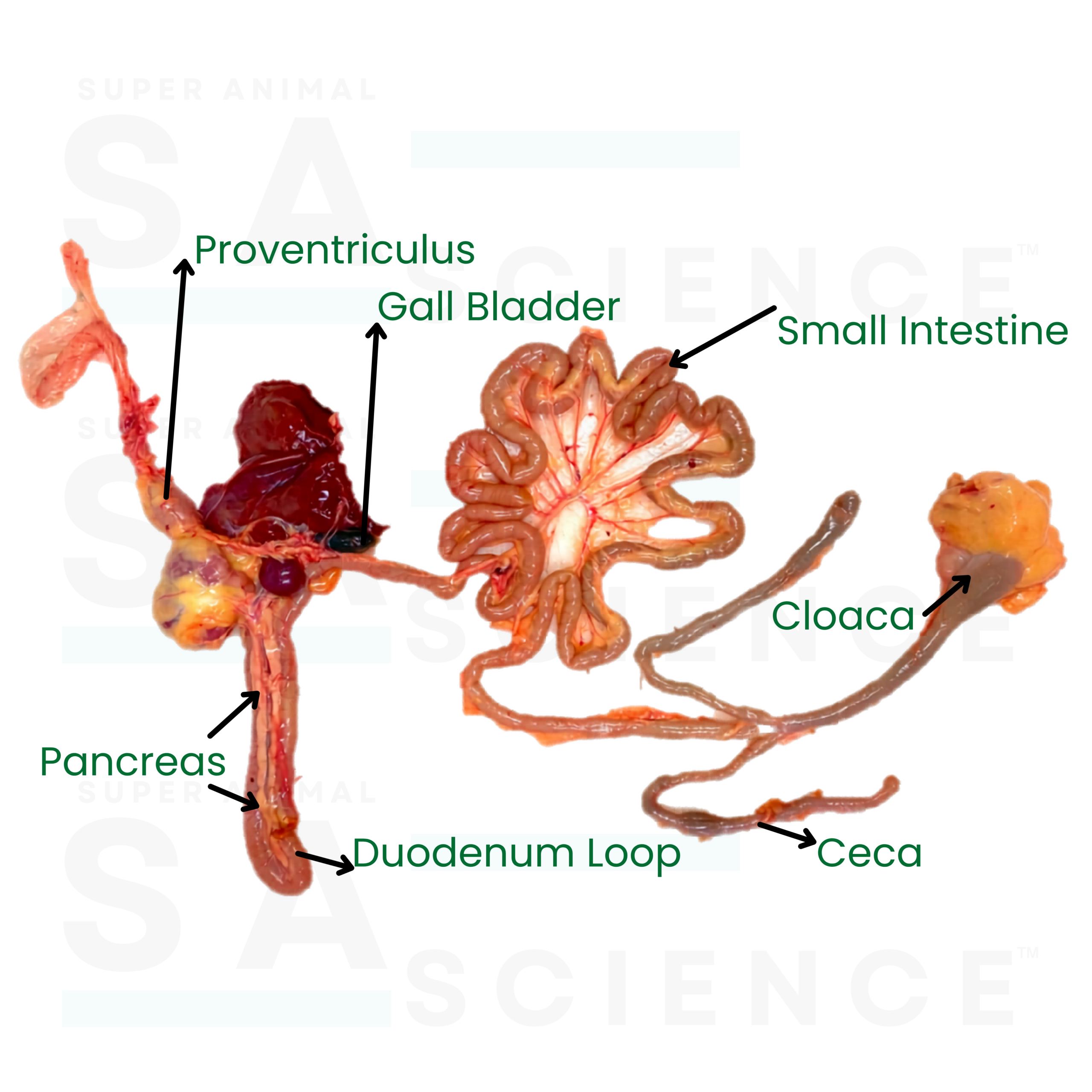
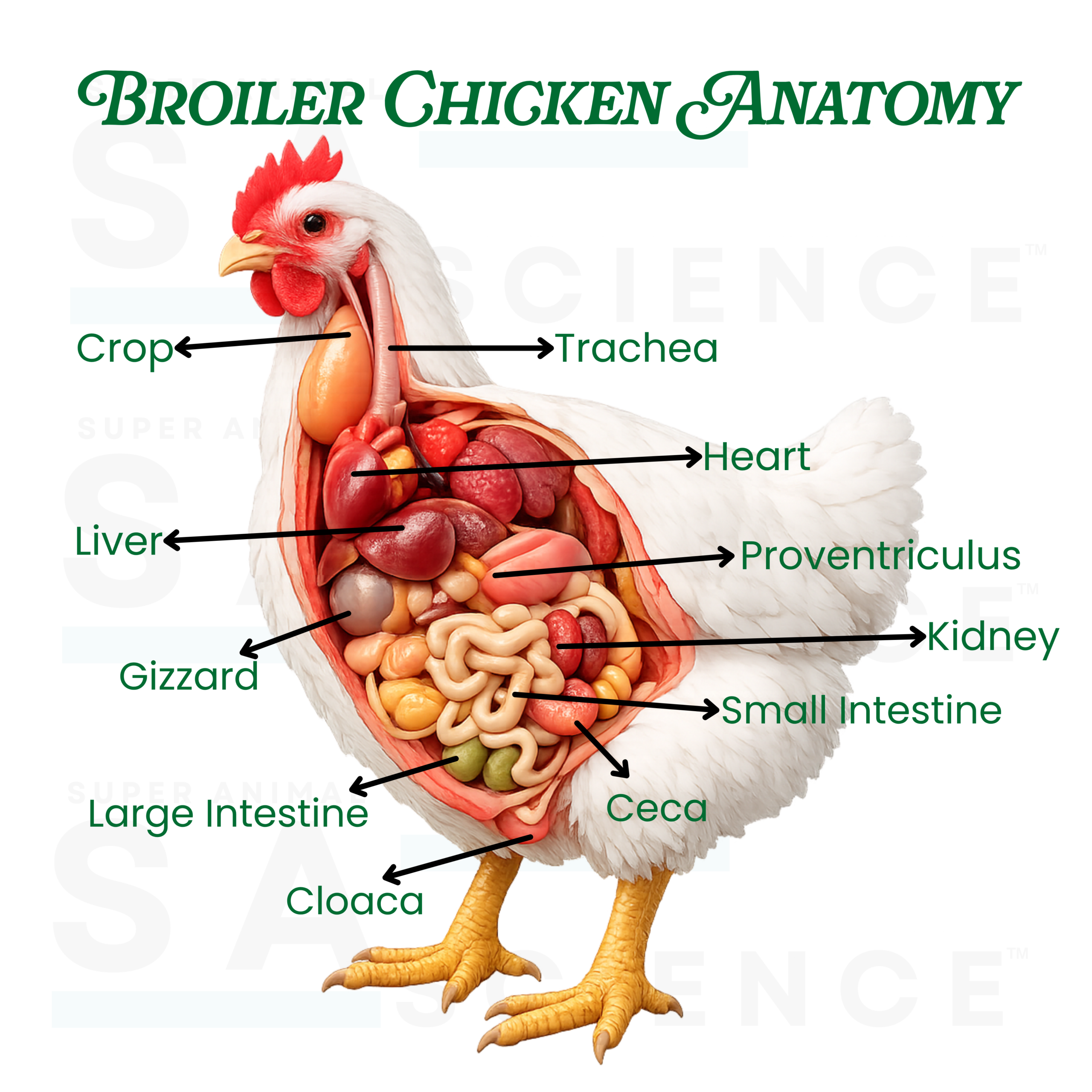
The digestive system is responsible for taking feed into the body, physically and chemically breaking it down, absorbing nutrients and removing waste. In broilers, this system has direct commercial importance because feed efficiency and growth depend on how effectively the bird can digest and utilise nutrients.
Unlike mammals, chickens do not chew feed. Instead, feed passes through a sequence of specialised structures that each contribute to digestion. A weakness in any part of this system can affect bodyweight gain, uniformity, litter quality and flock performance.
Why it matters on farm: When the digestive system is functioning well, feed is converted efficiently into muscle growth. When it is compromised, signs may include poor feed conversion, wet droppings, undigested particles in litter, reduced intake, uneven growth or poor flock performance.
The respiratory system supplies oxygen for metabolism and removes carbon dioxide. In chickens, this system is anatomically different from that of mammals. Birds have relatively rigid lungs and a series of air sacs that help maintain a more continuous flow of air through the respiratory tract.
This arrangement makes the avian respiratory system highly efficient, which supports rapid metabolism and growth. At the same time, it also makes the bird sensitive to poor air quality, excessive dust, ammonia and heat stress. Because birds do not sweat, respiration is also closely linked to temperature regulation.
Why it matters on farm: Poor ventilation, high dust levels, ammonia and thermal stress can reduce oxygen delivery, depress growth and worsen disease pressure. Respiratory health is therefore closely tied to flock comfort, feed intake and performance.
The circulatory system transports oxygen, nutrients, hormones, immune cells and waste products throughout the body. It links all body systems together and supports both maintenance and growth.
In a fast-growing broiler, the circulatory system is under constant demand. Tissues require rapid delivery of nutrients and oxygen to support muscle deposition, organ function and heat dissipation.
Why it matters on farm: The circulatory system supports growth rate, organ supply and temperature regulation. Any mismatch between growth demand and cardiovascular capacity can contribute to reduced performance or systemic stress.
The skeletal and muscular systems determine structure, support, posture and movement. In broilers they are also economically important because the major breast and leg muscles make up the meat yield of the bird.
The skeleton provides a framework for the body, protects internal organs and supports locomotion. Muscles attach to bones and create movement. In fast-growing birds, muscle gain can place high demands on skeletal development and joint integrity.
Why it matters on farm: Broilers must balance rapid muscle deposition with adequate skeletal strength. Weak support structures, poor mineral balance, fast growth or management stress can affect gait, comfort and productivity.
The immune system protects the bird against infectious agents and helps the body respond to disease challenges. Immunity in poultry is not isolated to a single organ; rather, it depends on several tissues and structures working together.
Because so many pathogens enter through the digestive or respiratory tract, immune competence is closely connected to gut integrity, respiratory health, stress levels and overall management quality.
Why it matters on farm: A strong immune system supports resilience. When immune function is compromised, birds become more susceptible to enteric disease, respiratory pressure and secondary challenges that reduce flock performance.
The nervous system coordinates body function by receiving information, processing signals and directing responses. It controls movement, behaviour, reflexes, balance and interaction with the environment.
Sensory organs such as the eyes and ears help the bird detect light, motion, sound and environmental cues. These influence feeding behaviour, stress responses, flock movement and interaction with equipment or housing conditions.
Why it matters on farm: Lighting programmes, environmental change, stress and neurological health all affect bird behaviour, movement and flock uniformity.
The endocrine system regulates body processes through hormones. These chemical messengers influence growth, metabolism, appetite, reproduction, mineral balance and responses to stress.
In practice, endocrine control is closely tied to metabolic performance. Broilers are bred for rapid growth, which means efficient regulation of nutrient use, tissue growth and physiological balance is essential.
Why it matters on farm: Metabolic balance influences body composition, performance, feed efficiency and the bird’s ability to cope with environmental or nutritional change.
The excretory system removes metabolic waste and helps maintain fluid and electrolyte balance. In poultry, excretion differs from that of mammals because birds do not produce urine in the same way.
Waste products from protein metabolism are excreted mainly as uric acid. These combine with digestive waste and leave the body through the cloaca, which is why droppings are such a useful observation point in poultry management.
Why it matters on farm: Water intake, mineral balance, kidney function and overall metabolic status all influence the appearance and consistency of droppings and litter condition.
In a standard broiler production bird, the reproductive system is not the main production focus, but it remains part of the bird’s anatomy and helps complete the overall reference picture.
Reproductive anatomy is far more important in breeders and layers than in commercial broilers, but including it on an anatomy page improves completeness and supports broader poultry understanding.
Why it matters on farm: Limited direct importance in broiler grow-out, but important for users comparing broilers with breeders or layers.
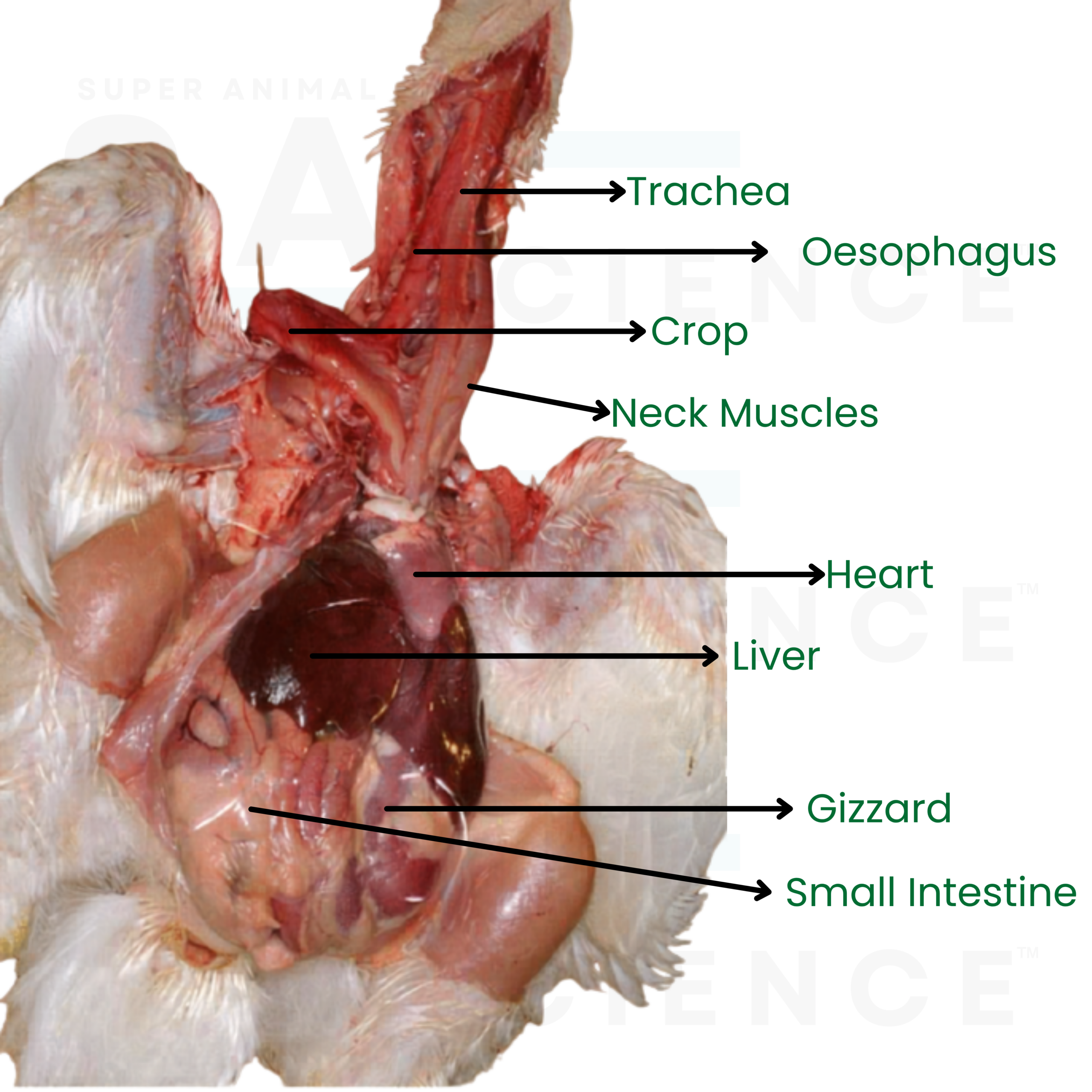
This view helps users understand where the main organs lie within the bird before removal or inspection.
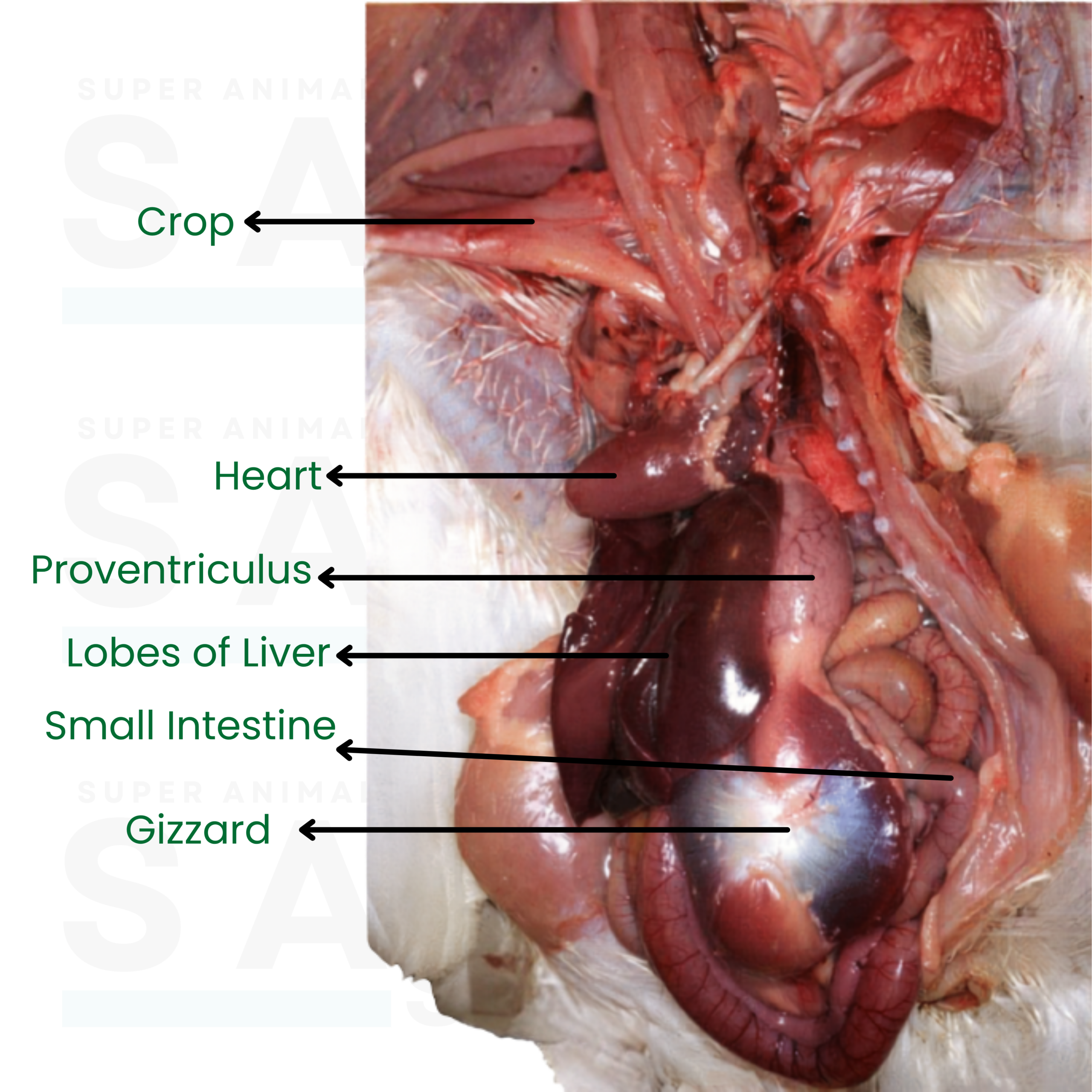
This view supports closer evaluation of size, colour, consistency and relationships between the organs after removal.
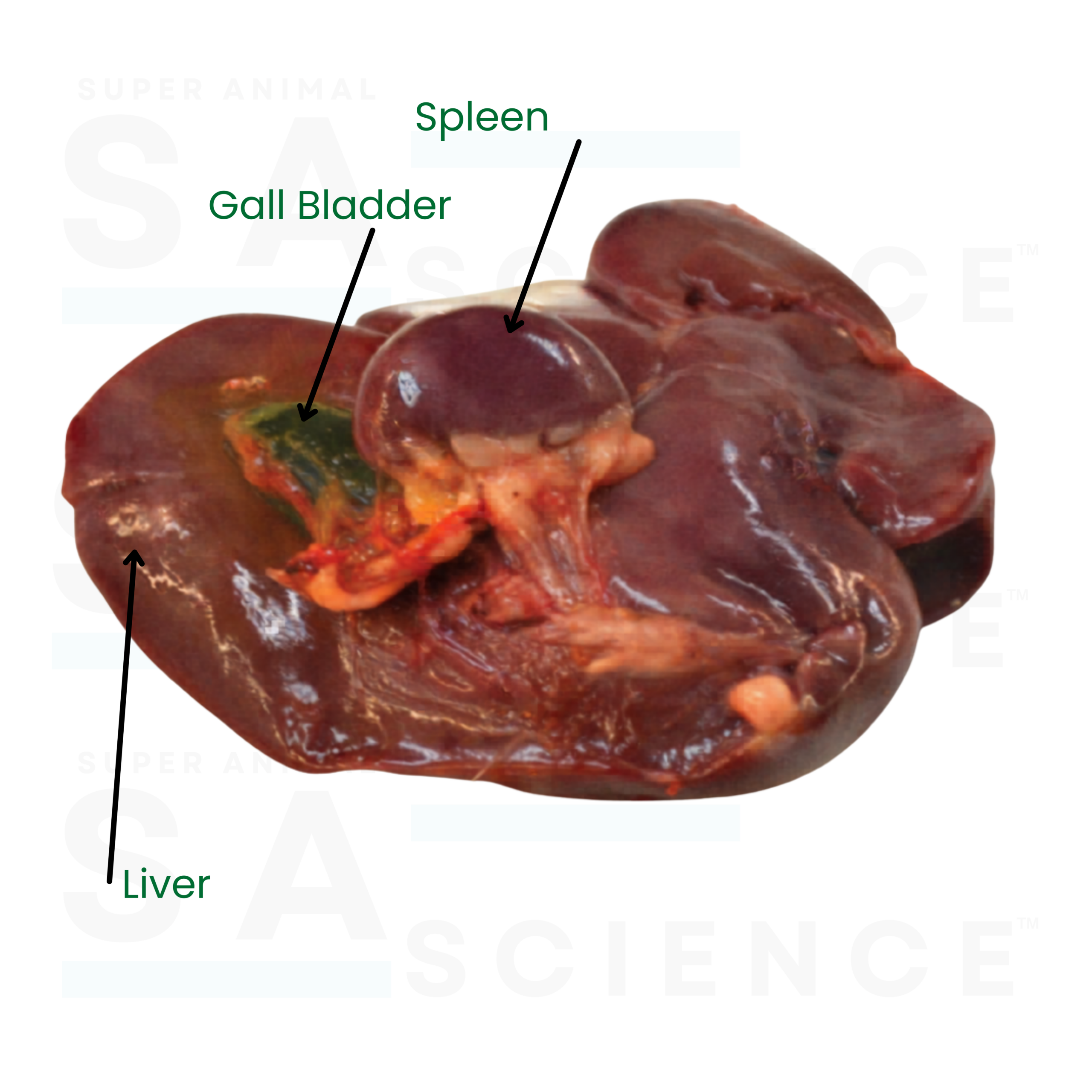
This image helps connect the theoretical description of organs to real structures seen during practical examination.
A cleaner supporting image that gives users an overall visual reference point while working through the different body systems.
Use the links below to move from this anatomy overview into deeper practical learning, including full post-mortem demonstrations and breed-standard references.